Life exists from the beginning of the universe and continues without interruption.
Nichiren Daishonin Buddha said:
“Our souls cannot be destroyed by fire, does not rot in water, cannot be cut by swords nor pierced by bows and arrows and can fit into something as small as a poppy seed and as big as the sky.”
Life does not stand still. It is part of the principle of being alive. It changes constantly and repeats the cycle of living and dying.
The universe itself repeats the rhythm of life and death. There are four stages in the cycle: “formation, continuance, decline, and disintegration”
The reality is that humans also live and die repeatedly in harmony with the universe.
For example, ultraviolet rays, infrared rays, radio waves, etc. that exist in the air cannot be seen with the naked eye, but there is no doubt they exist. Formless doesn’t mean non-existence.
In Buppo Law, the period from death to the next life is called “Chu-u*”. It is an invisible form.
It is “life” when this invisible form enters the womb by deciding who the parents will be based on the fate of its soul.
“Death” means to return the body to the universe, and it becomes formless again.
The important thing is that our lives repeat this life and death cycle, and continues through three time periods: past, present, and future. Along with this, the cause and effect of happiness and unhappiness have been linked to these three time periods, like a chain.
Continuous Life
Let’s take a closer look at the continuity of life over the three time periods:
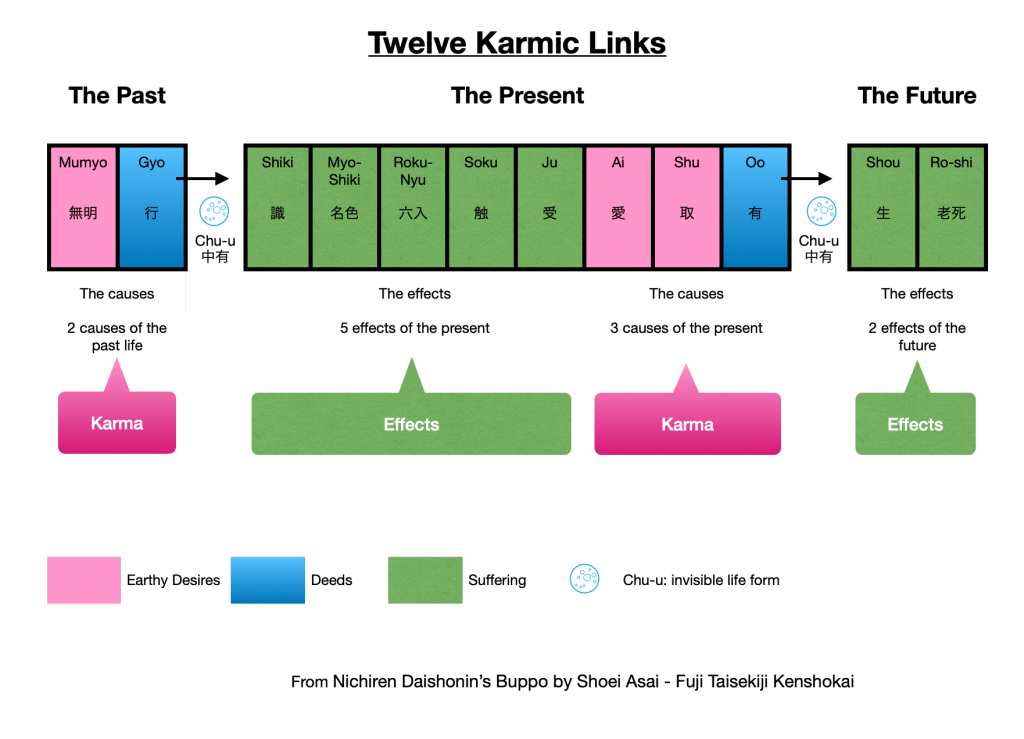
12 in’nen (Twelve Karmic Links) explains the reality of life flowing through the third period with cause and effect.
- Mumyo (earthly desires) Worldly desires from the past
- Gyo (action) Good and bad deeds (action, speech, thinking) from the past life
*Chu-u (the soul is invisible)
3. Shiki (life begins to form) Goes into the womb of the mother due to the soul’s past actions
4. Myo-Shiki (body and mind) The body and mind begin to grow in the womb, but the eyes, ears, nose, and tongue are still missing.
5. Roku-Nyu (six senses) A state in which sight, sound, smell, taste, touch, and mind are developing in the womb.
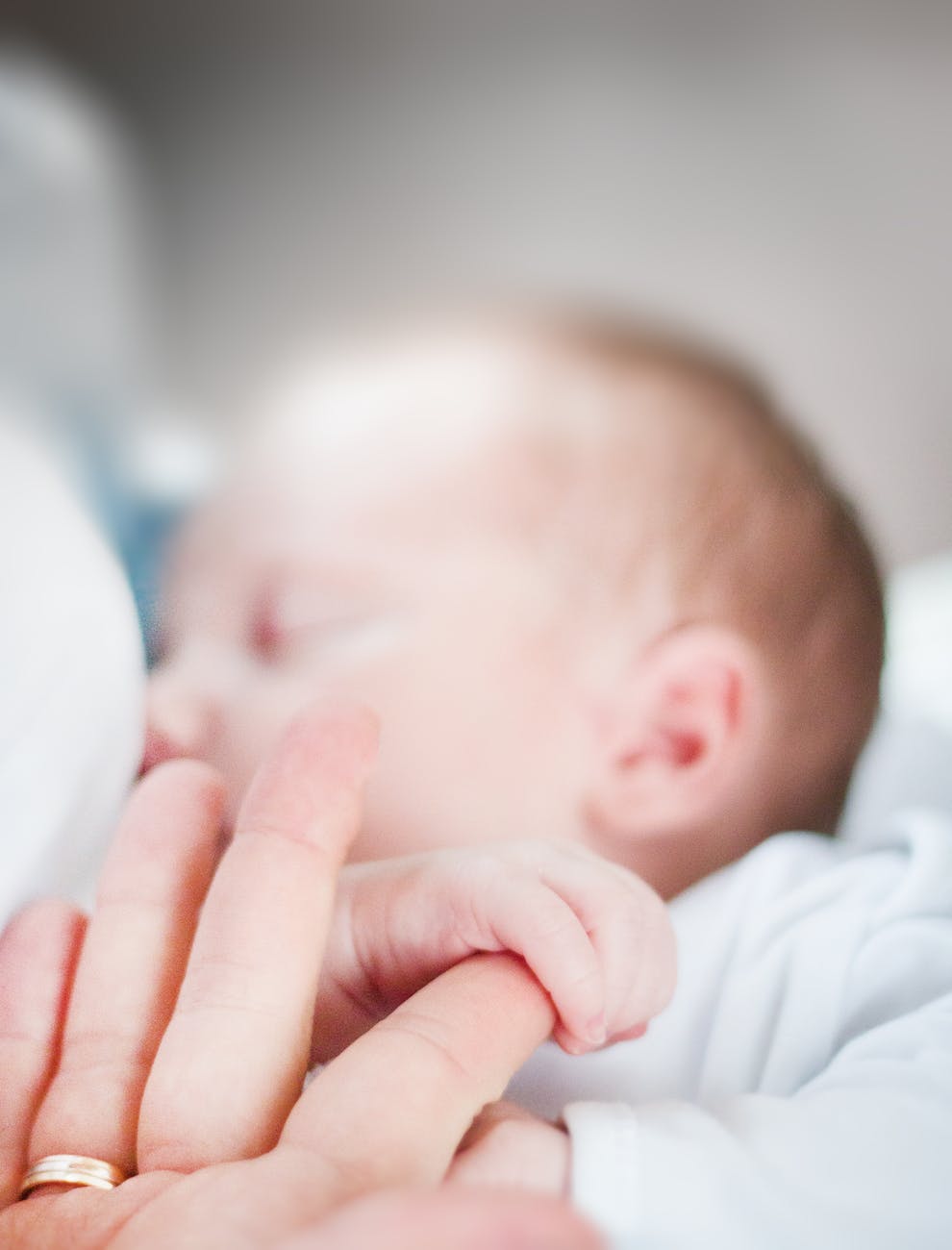
6. Soku (contact) Born from the mother’s body, the baby touches various things, but she doesn’t know that fire is hot, and water is cold. A state in which it is not possible to distinguish between pain and comfort.
7. Ju (feeling) A toddler that gradually develops body and mind and makes sense of pain, but still does not recognize desire.
8. Ai (earthy desires – craving) Adolescents who feel lust for things and towards others.
9. Shu (earthy desire – greed) Adult stage, craving things.
10. Oo (causes) Creating various causes that will affect the results of the afterlife.
*Chu-u (the soul is invisible)
11. Sho (Birth) To be born in the future. Selection of the place where one is born. Based on the three causes of their previous life (Ai, Shu, and Oo exists) and enters the womb of the mother.
12. Roshi (Aging and death) Refers to aging and dying.
The invisible form of life in the womb, determined by the deeds of the past life, determines who the parents should be . This is called “Shiki.” This is the method of mind that resides in the sperm and fertilized egg of the parents.
If you look at it this way, you can see that the lives of parents and children are essentially separate. Each unique life has a parent-child relationship through upbringing.
Nichiren Daishonin Buddha said:
“Based on the karmic forces they become your parents and you their child.”
Therefore, having an abusive parent or suffering because of one’s own child depends on the fate of the parent and child.
Therefore, if a parent has strong devotion and changes his or her destiny, the child will change. If the child believes and changes his or her destiny, the parent will also change.
How does heredity look in Buddhism?
Parental traits are inherited by genes from parent to child and from child to grandchild. To this extent, the child looks like an extension of the parents.
The lives of parents and children are separate. Therefore, even brothers and sisters born from the same parents have different personalities and destinies.
This is because even if the ties are the same, each past life is different.
Why do happiness and unhappiness occur?
These occur because of the law of cause and effect. There is no result without a cause, and there is always a cause that produces a result.
Nichiren Daishonin Buddha said:
“If you want to know the causes from the past, look at the present results. If you want to know the future results, look at the present causes.”
There is a reason for all our hardships.
The key to obtaining unbreakable happiness is to activate the Buddha inside of us by meeting the Gohonzon, Nichiren Daishonin’s soul written in ink.
By doing this, you are unleashing the hidden the Buddha within you.
Then chant Nam Myo Ho Ren Ge Kyo toward Mt. Fuji where The Kaidan no Dai Gohonzon (est. Oct 12th, 1279). It is very important because it is the most sacred. It is the embodiment of Nichiren Daishonin’s soul and has been infused with the enlightened life of the True Buddha.
As you chant Nam Myo Ho Ren Ge Kyo, you are inheriting the benefits of the True Buddha. It’s like inheriting a fortune from your parents that will last a lifetime.
How exciting! You don’t want to miss a day of chanting!! :))
Now you are creating the most fundamental cause. Spreading Nam Myo Ho Ren Ge Kyo to others will offset negative Karma from your past and lead to absolute happiness!
 Unbreakable Happiness